Chris Wilson
Principle Investigator
Christopher Wilson joined the Institute for Quantum Computing (IQC) in 2012 as an a Associate Professor. He has a joint appointment with the Electrical & Computer Engineering department.
He received his BS in Physics from the Massachusetts Institute of Technology (MIT) in 1996. There he performed undergraduate research on the role of nonlinear dynamics in the nervous system. He received his PhD in Physics from Yale University in 2002. His dissertation focused on the development of single-photon spectrometers using superconducting tunnel junctions. He then worked at Yale as the W.M. Keck Postdoctoral Fellow performing research on quantum computation and information processing using superconducting single-electronics. In 2004, he moved to Chalmers University of Technology in Sweden, later becoming an Assistant Professor in 2007 and an Associate Professor in 2011. At the University of Waterloo, he plans to continue his work on quantum information, microwave quantum optics, and nonlinear dynamics.
Ibrahim Nsanzineza
Senior Superconducting Device Scientist
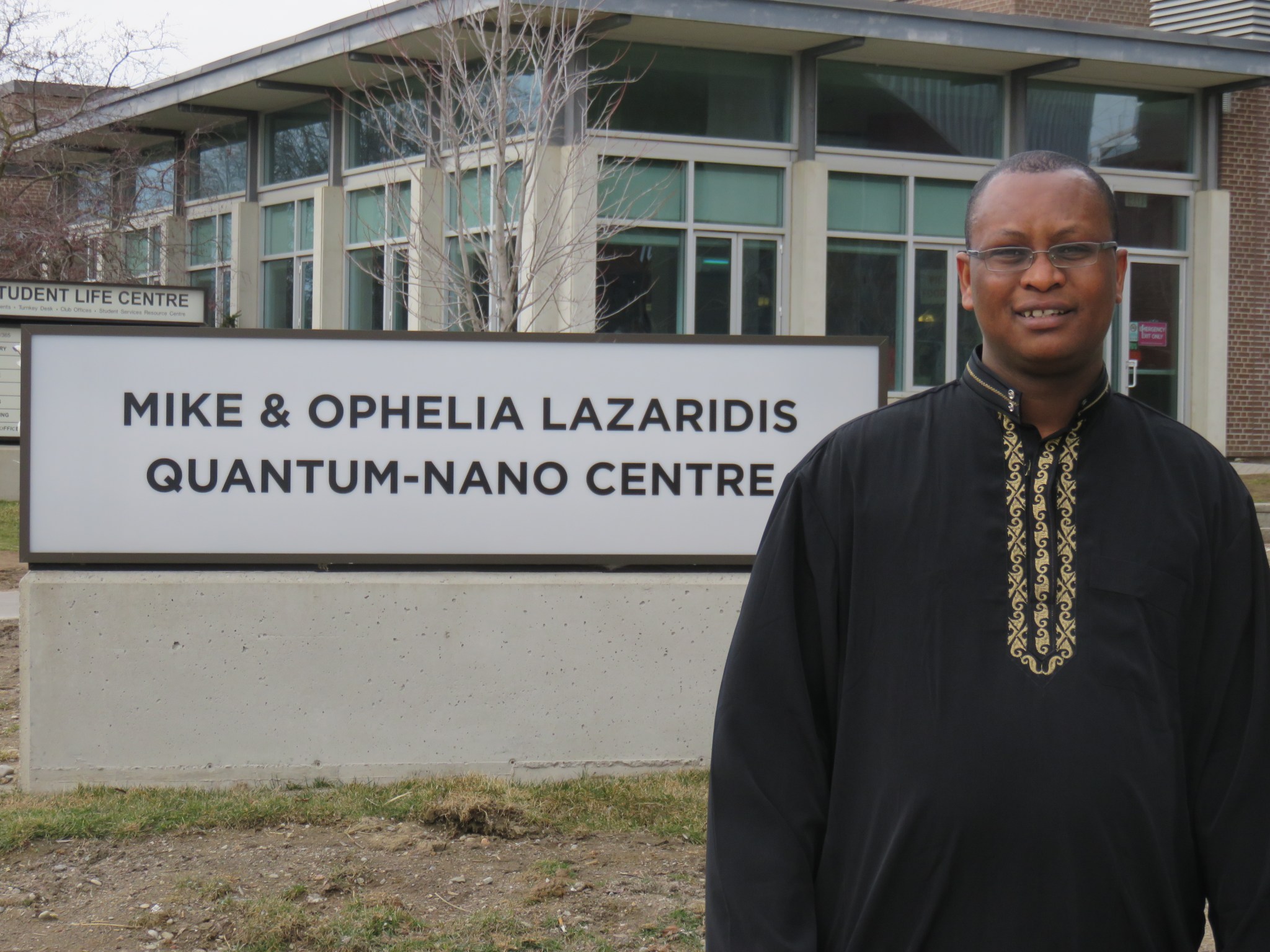
Ibrahim Nsanzineza joined the Engineered Quantum Systems Laboratory (EQSL) at the Institute for Quantum Computing, University of Waterloo, in March 2016 as a Postdoctoral Fellow and currently serves as a Senior Superconducting Device Scientist. He received his B.Sc. in Physics and Chemistry, with a minor in Science Education, from Kigali Institute of Education (KIE), Rwanda, in 2005. Following graduation, he served as a Tutorial Assistant in the Department of Physics. In 2008, he completed a Postgraduate Diploma in Mathematical Sciences at the University of Cape Town, South Africa. He then pursued graduate studies at Syracuse University, where he earned an M.S. in Physics (2010) and a Ph.D. in Experimental Condensed Matter Physics (2015).
Ibrahim’s Master’s research focused on quantum coherence and vortex dynamics in nanostructured superconductors, while his doctoral research investigated vortex dynamics and nonequilibrium quasiparticles in superconducting coplanar waveguide resonators. During his Ph.D., all superconducting device fabrication was carried out at the Cornell NanoScale Science & Technology Facility (CNF), where he developed extensive expertise in advanced nanofabrication and superconducting device fabrication.
At EQSL, Ibrahim contributes to the development of superconducting quantum hardware through materials engineering, superconducting thin-film development, advanced nanofabrication, microwave engineering, cryogenic quantum measurements, and process development. His work spans the complete technology development cycle, from materials optimization and fabrication methodology development to device characterization and process integration. His research interests include superconducting quantum hardware, circuit quantum electrodynamics, quantum thermodynamics, kinetic-inductance traveling-wave parametric amplifiers (KI-TWPAs), superconducting thin films, advanced nanofabrication, and quantum technology development.
In addition to supporting EQSL research programs, Ibrahim serves as a senior technical resource within the Quantum NanoFabrication and Characterization Facility (QNFCF). He develops and optimizes fabrication methodologies, mentors graduate students, postdoctoral researchers, and visiting scientists, and provides technical guidance on process development, fabrication strategies, and experimental troubleshooting to support reproducible superconducting quantum device fabrication. His work also includes collaborations with academic, industrial, and emerging quantum technology organizations, contributing to superconducting thin-film development, fabrication process innovation, technology transfer, and the advancement of sustainable quantum technology capability.
Dmytro Dubyna
Research Associate
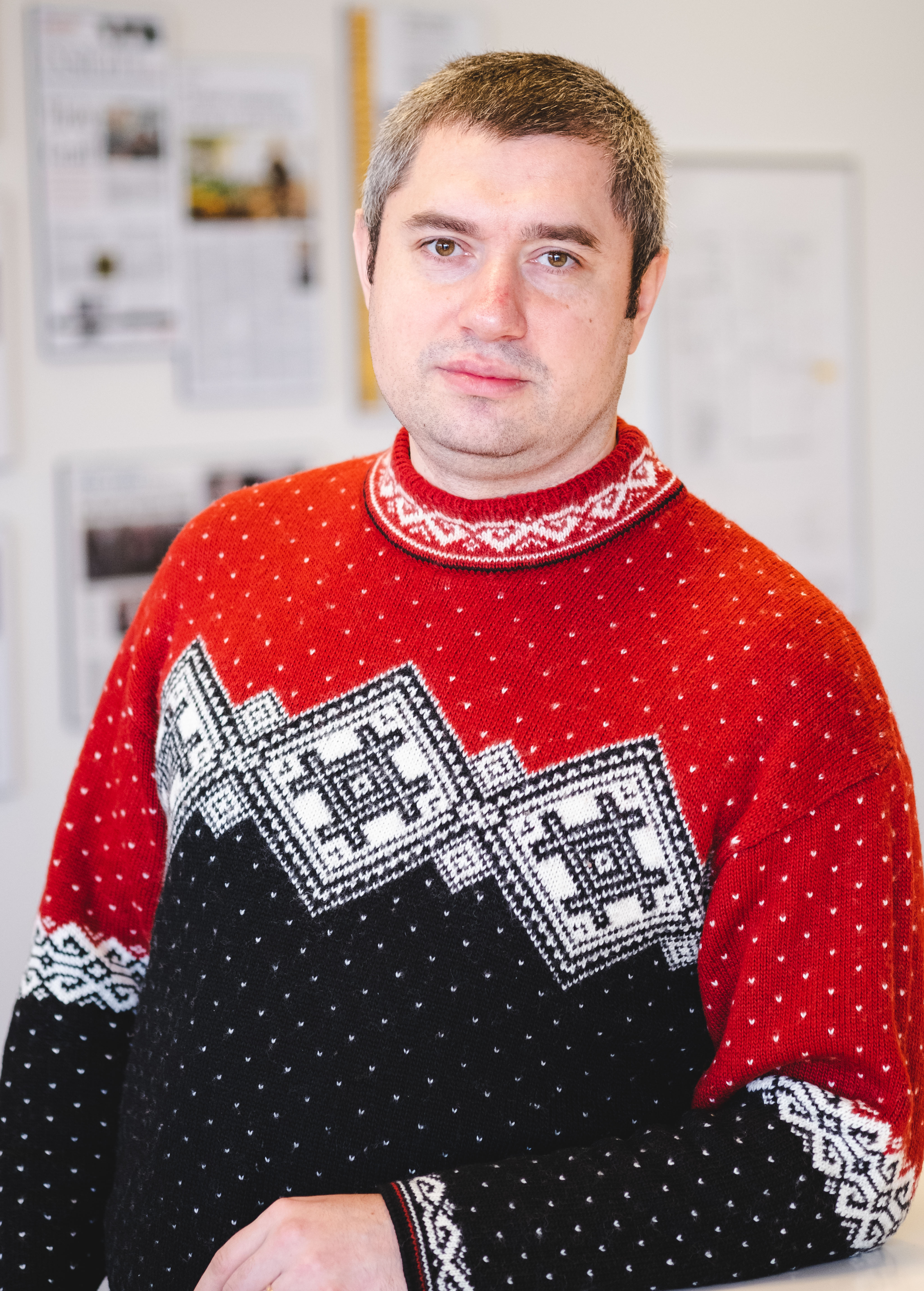
Dmytro Dubyna joined EQSL in December 2019 as a Postdoctoral Fellow and since December 2021 he holds the position of Research Associate. He graduated from Kyiv Polytechnic Institute (Ukraine) with BSc (2004) and MSc (2006) in Electronic Engineering. In 2014 Dmytro received his PhD in Superconductivity from the G.V. Kurdyumov Institute for Metal Physics (Ukraine) where he studied nonequilibrium superconductivity and proximity effect in superconducting tunnel junctions. From 2015 to 2019 Dr. Dubyna was Postdoctoral Fellow at the Quantum Device Laboratory at the National Chung Hsing University (ROC) where he explored quantum electrodynamics in superconducting devices. At EQSL, Dmytro works on analog quantum simulators based on superconducting parametric cavities.
Mohammad Soltani
Research Associate
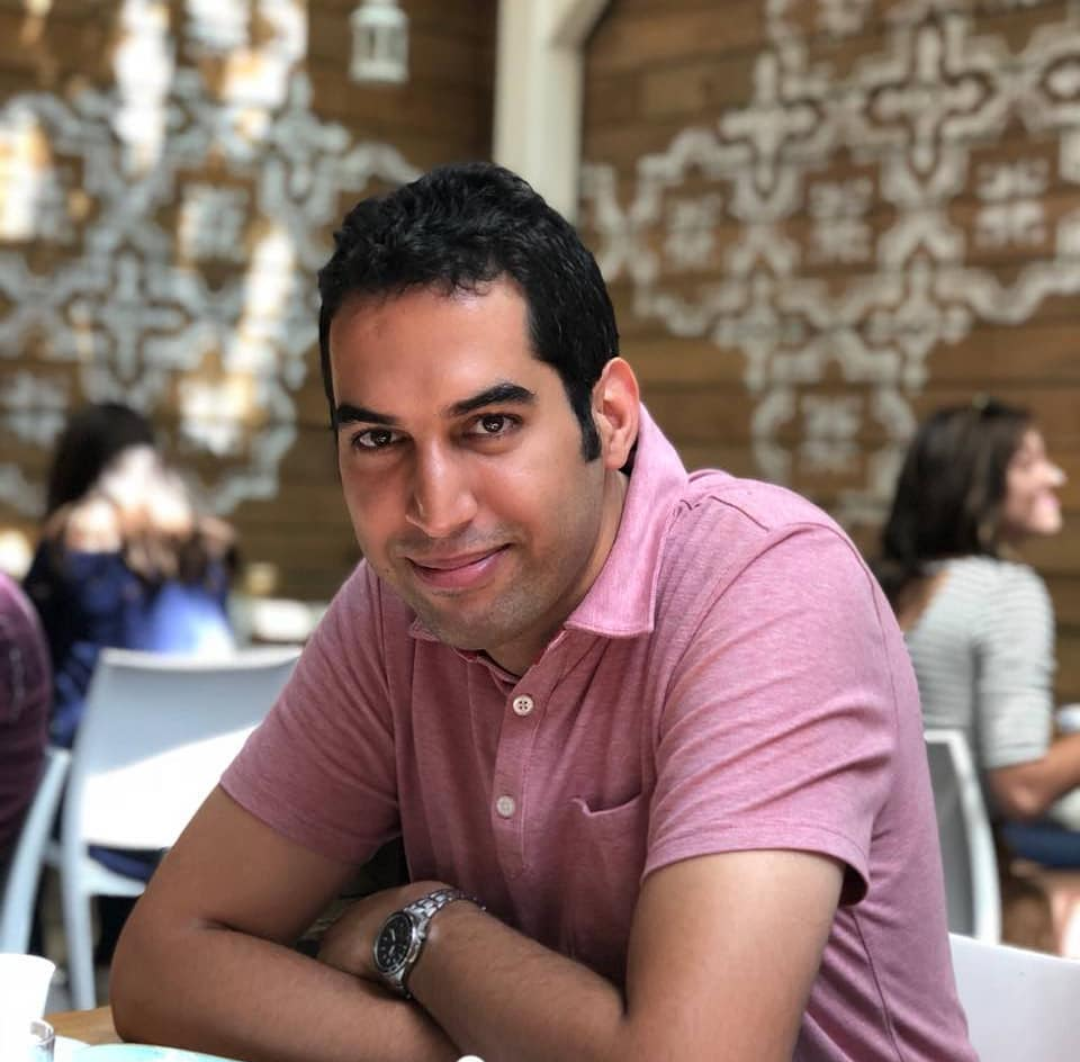
Mohammad Soltani joined EQSL in May 2022 as a TQT postdoctoral fellow. In 2007 he received his BSc in Materials Science and Engineering from Isfahan University of Technology. In 2010 he received his MSc in Materials Science and engineering from Shiraz University in collaboration with the physics department. He joined the university of waterloo as a visiting researcher in 2016, working on several research projects in micro and nanofabrication of electronic and photonic devices. He started his Ph.D. in electrical and computer engineering in 2017, working on the nanofabrication of a multiplexed biosensing platform. During his Ph.D., he collaborated with several companies and research groups on sensing and optical devices’ fabrication and process development. At EQSL, Mohammad works on the fabrication of Quantum transduction devices and Coherent Conversion Between Microwave and Optical Photons in collaboration with the NPQO research grou
Jamal Busnaina
Postdoctoral Fellow
Cindy Yang
PhD student
Guangyu Peng
PhD student
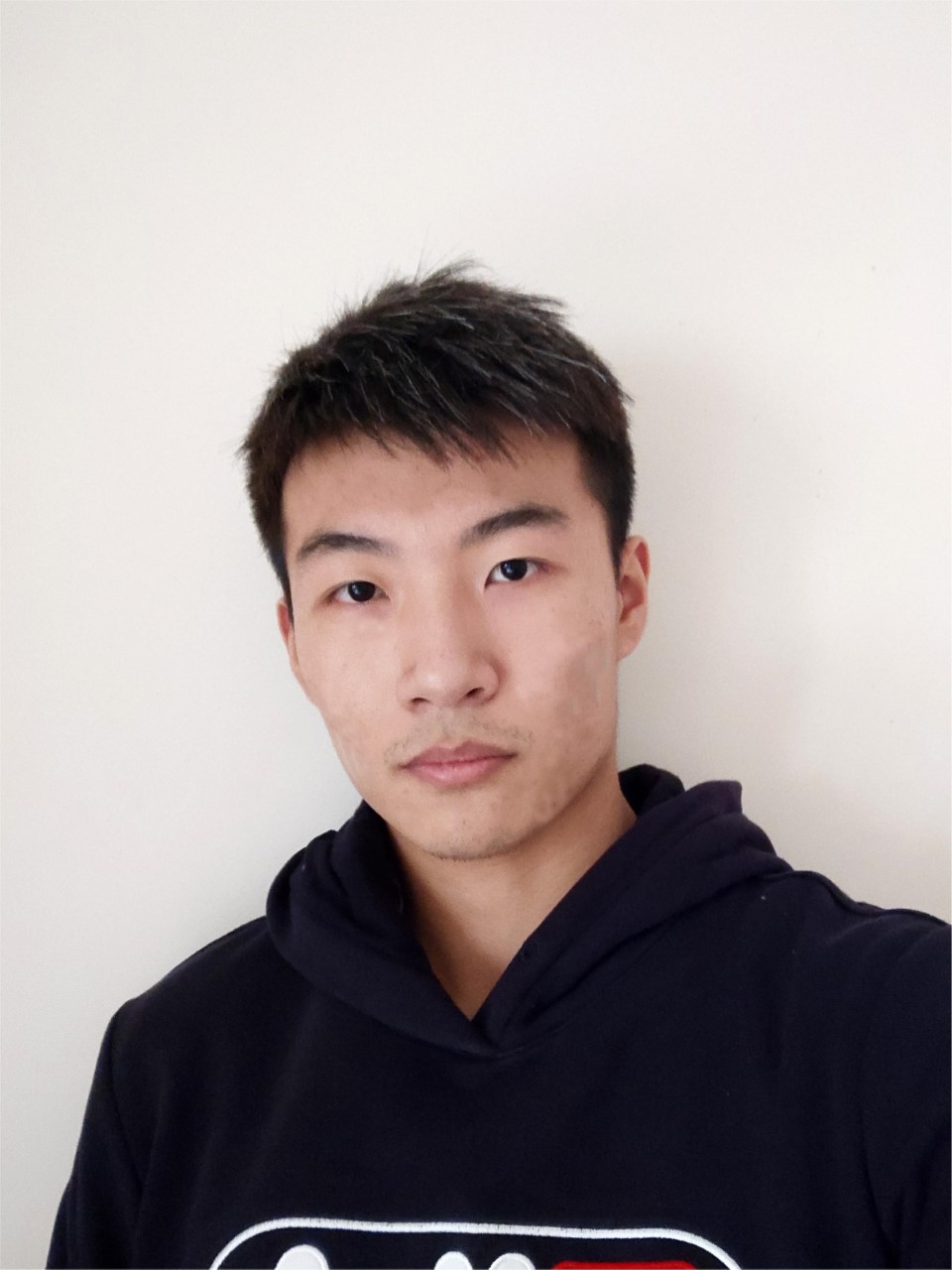
Guangyu Peng obtained his B.Eng. at Nanjing University of Aeronautics and Astronautics in China (2020), majoring in Microwave and Millimeter Wave System and Device Technology, where his research focused on microwave components design based on water-based metamaterials. Then he obtained his M.S. degree in Electrical Engineering at Yale University “zoom campus” in 2021, focusing on the superconducting kinetic inductance resonator design. After a short research assistant position at the University of Electronic Science and Technology working on optomechanical crystals, he joined EQSL in Jan 2022. Here he devoted himself to the superconducting qubits and circuit QED.
Ben Jarvis-Frain
Masters student
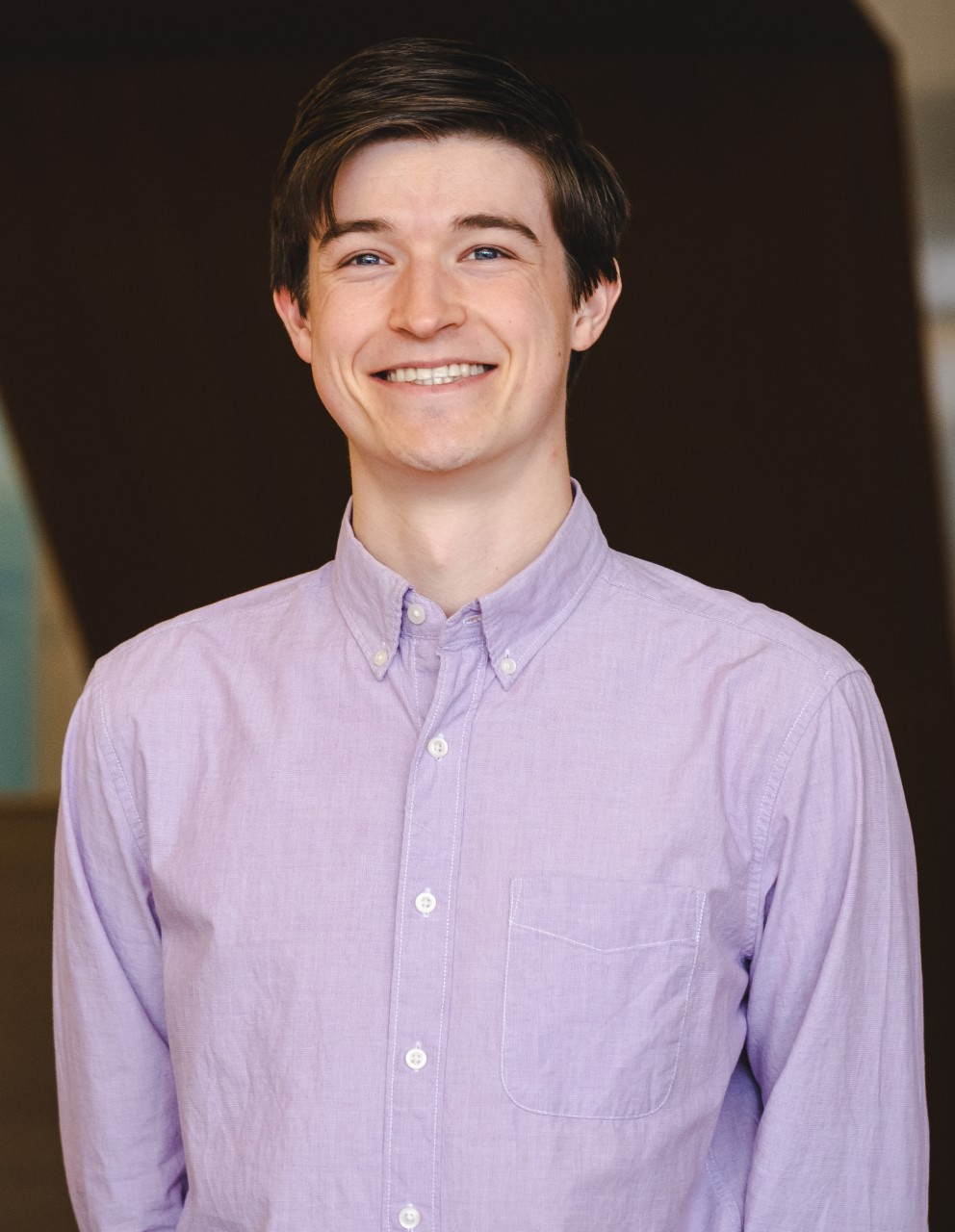
Ben joined the EQSL in 2022 as a Masters student in the Faculty of Electrical and Computer Engineering. Ben began attendance at McMaster University in 2017 in the Engineering Physics program where he studied fundamental physics and engineering principles with a focus on photonics and nanotechnology. In 2019 he performed research on the design and characterization of on-chip silicon-photonic waveguide devices, and from 2020 to 2021 he completed a 16-month co-op at L3 Harris Wescam on the Electro-Optical Engineering Design team. He received his B.Eng. in 2022 and has since been researching microwave circuits and superconducting quantum electronics with the EQSL. Ben’s interests include quantum simulation and superconducting hardware for quantum information processing. Outside of research Ben enjoys hiking as well as playing and listening to classical piano.
EQSL alumni
Luyao Wang (Masters student)
Vadiraj A M (PhD student)
Jimmy Hung (Masters student)
Huichen Sun (Masters student)
Sandbo Chang (Masters and PhD student & postdoctoral researcher)
Wenfang Li (Postdoctoral researcher)
Karthik Sampath Kumar (Postdoctoral researcher)
Pol Forn Diaz (Postdoctoral researcher)
Helen Percival (Masters student)
Chris Warren (Masters student)
Andrew Hardy (Undergraduate Research Assistant)
Gaurav Bhole (Undergraduate Research Assistant)
Ron Belyansky (Undergraduate Research Assistant)

